I’m Matt.
Professor of English,
Open Knowledge Advocate, Researcher,
Consultant
Writer,
Wikipedian,
Editor,
Speaker,
and more.
Welcome to my portfolio.
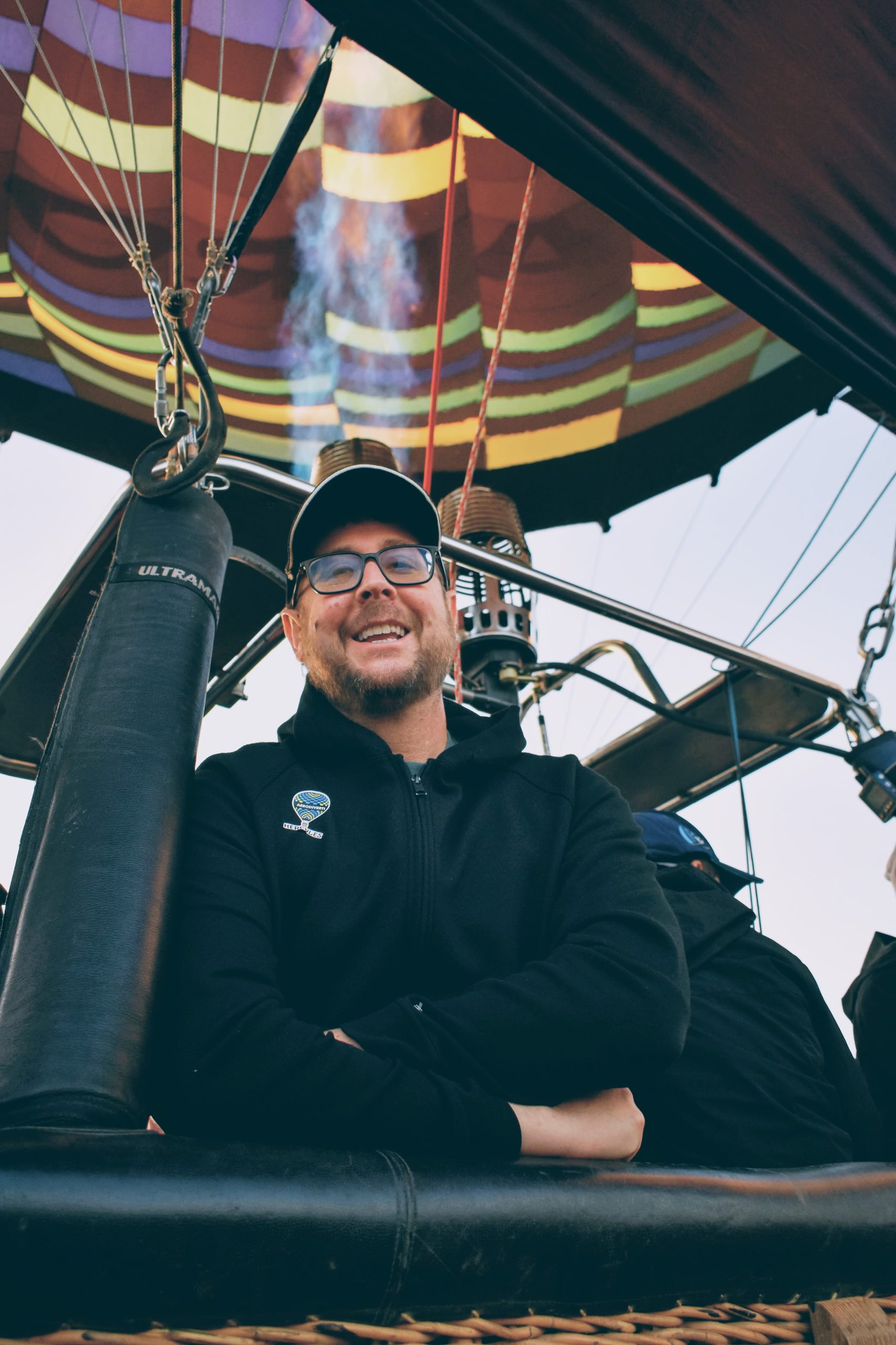
My academic work asks questions related to writing, digital culture, and technology with an emphasis on open knowledge and critical literacy.
A significant part of my research and service engages the open knowledge movement, focusing on Wikipedia and the Wikimedia Foundation. I teach with Wikipedia, lead workshops and professional development for educators, and work with academic and Wikimedia communities to expand participation in the encyclopedia. Together with Jen Johnson, I am co-chair of the CCCC Wikipedia Initiative / WikiProject Writing. This initiative seeks to improve representation of writing studies in the encyclopedia and help more academics participate in the Wikimedia movement. My scholarship examines Wikipedia not simply as an encyclopedia, but as a social and technological knowledge infrastructure.
My first book, Wikipedia and the Representation of Reality, co-authored with Zachary McDowell, explores the rhetorical and epistemological dimensions of Wikipedia. I am currently at work on a second book entitled Wikipedia and Beyond: Open Education for an Equitable Future.
Explore my Wikipedia userpage.
I am also deeply involved in open education. I am a managing co-editor of Writing Spaces, an open-access textbook project that provides freely available resources for teachers and students of college writing. I’ve co-edited five volumes in the series in the last 7 years.
Generative AI & Writing
More recently, much of my research has turned toward generative AI and writing. I study how technologies such as ChatGPT are changing writing practices, writing pedagogy, authorship, creativity, and ideas about academic integrity. Rather than treating AI primarily as a tool to be adopted or prohibited, I am interested in the larger social and rhetorical questions it raises: How does AI change the writing process? What happens to students’ relationships with teachers and institutions? How do we understand authorship when writing becomes increasingly collaborative with machines? And how might we design writing pedagogy that preserves human agency and learning in an AI-saturated environment?
Collaborate with me
I work best with others and enjoy being challenges on projects in the following areas.

About my work
As a creative writer
I earned an MFA in Writing from Spalding University in 2010, where I developed my practice primarily as a poet. My poetry has appeared in a range of national and regional literary journals, including The Louisville Review, Midwest Quarterly, and American Life in Poetry. I published my first poetry chapbook, Kentucky Lullaby, with Finishing Line Press in 2018/ My poem “Wild Flowers” was also selected by former U.S. Poet Laureate Ted Kooser for American Life in Poetry, and I received the Danny Miller Memorial Award for Poetry in 2009. Although my scholarly work has increasingly focused on rhetoric, composition, digital technologies, and writing, I continue to see creative writing as an important part of my intellectual and writing practice.
As a Wikipedian
I have been a Wikipedian since 2011, with thousands of contributions to Wikipedia and the broader Wikimedia movement. My work has focused especially on improving the representation of rhetoric, composition, writing studies, and other underrepresented areas of scholarship. Beyond editing, I have spent much of my time building the community around Wikipedia through teaching, workshops, edit-a-thons, grantmaking, and the CCCC Wikipedia Initiative. I see my role as both a contributor to the encyclopedia and as someone who helps academics and students understand how they can participate in building open knowledge.
As a researcher
My research examines the intersections of writing, rhetoric, technology, and digital culture, with a particular focus on how emerging technologies reshape writing practices, authorship, literacy, and knowledge. In recent work, I have studied generative AI and writing, including “Towards a Framework for Local Interrogation of AI Ethics” in Computers and Composition (2024), “From Hype to Practice: Reinterpreting the Writing Process Through Technical Writing Students’ Engagement with ChatGPT” in Technical Communication Quarterly (published online 2024), and “The Dystopian Imaginaries of ChatGPT: A Designed Cycle of Fear” in Convergence (2025). I also research Wikipedia and the digital commons, including recent work on Wikipedia editors’ sense of ownership and on how large language models affect Wikipedia’s sustainability. Across these projects, I am interested in the relationships among writing, technology, power, and participation, and in developing critical approaches to the rapidly changing environments in which people produce and encounter knowledge.
As a grantwriter
I have secured more than $178,000 in grant funding as a principal investigator, co-investigator, and project co-lead, primarily for research, Wikimedia, and open-knowledge initiatives. My recent grantwriting includes Strengthening Wikimedia Communities Through Shared External Grantmaking Knowledge and Collaboration ($66,000, 2026), The State of Science and Wikimedia: Who Is Doing What, and Who Is Funding It? ($49,450, 2025), and Developing Wikimedia Impact Metrics as a Sociotechnical Solution for Encouraging Funder and Academic Engagement ($42,000, 2024). My grantwriting experience also includes funding from the Wikimedia Foundation and CCCC for projects focused on Wikipedia, higher education, writing studies, and open knowledge. Through this work, I have developed experience in collaborative proposal development, project design, budgeting, funder research, and building partnerships around interdisciplinary and international projects. Learn more.
Find me on the web
- LinkedIN: https://www.linkedin.com/in/matthew-vetter-phd-64451362/
- Google Scholar: https://scholar.google.com/citations?user=u_UKDHgAAAAJ&hl=en&authuser=1
- Wikipedia: https://en.wikipedia.org/wiki/User:Matthewvetter
- Meta-Wiki: https://meta.wikimedia.org/wiki/User:Matthewvetter
- ResearchGate: https://www.researchgate.net/profile/Matthew-Vetter-2